Digital Advertising is Losing Audience Attention
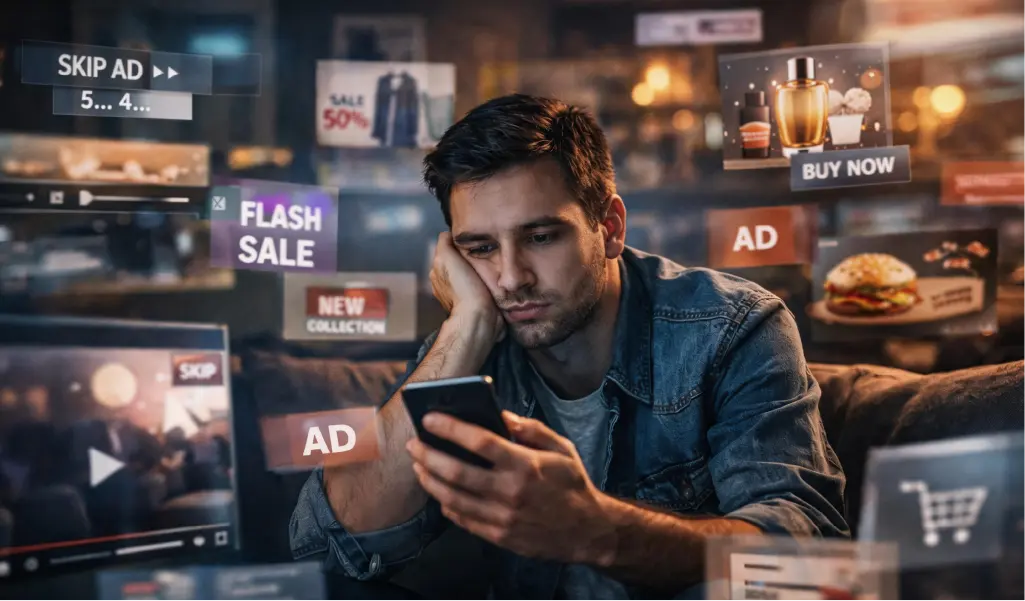
Brands today are fighting the biggest battle for attention in marketing. Consumers are exposed to 4,000-10,000 advertisements per day on average, yet engagement is dropping rapidly. Video ads are skipped in seconds, Banner ads are ignored, Static campaigns disappear in crowded feeds.
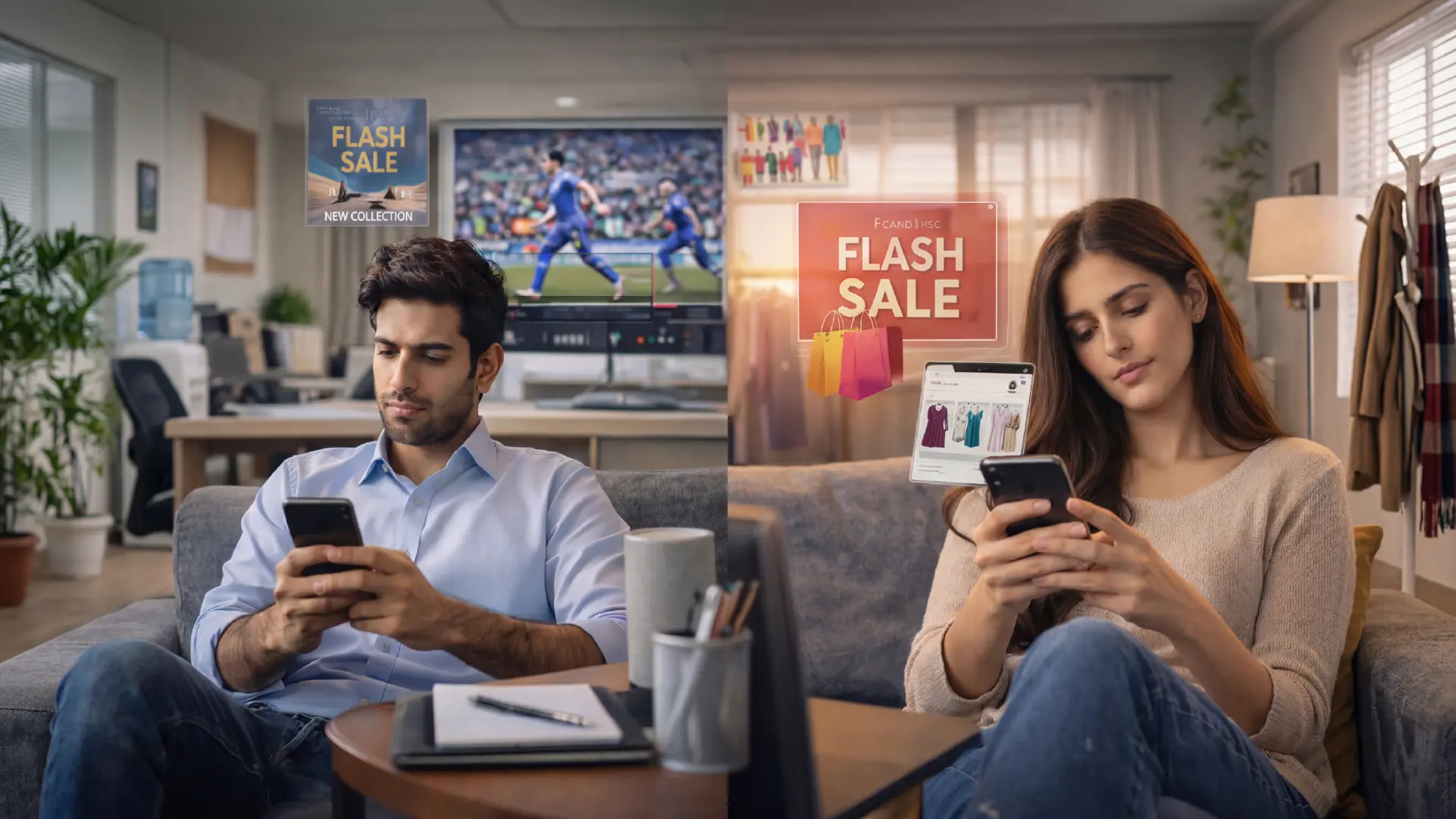
The reality? Traditional digital marketing is reaching saturation. Brands are spending more money than ever, but the attention window of users keeps shrinking. Research suggests that people consciously notice fewer than 100 ads per day despite thousands being displayed, largely due to banner blindness and content overload.
Contents
- What If Marketing Were an Experience Instead of an Advertisement?
- Why experiential marketing performs better
- The Cricket Moment: Turning Fans Into Players
- From Passive Viewers to Active Participants
- Early engagement metrics recorded:
- Why This Matters for IPL 2026
- Campaign reach during IPL activations:
- The Future of Brand Engagement
- IPL 2026 Will Be One of the Biggest Attention Moments in India
What If Marketing Were an Experience Instead of an Advertisement?
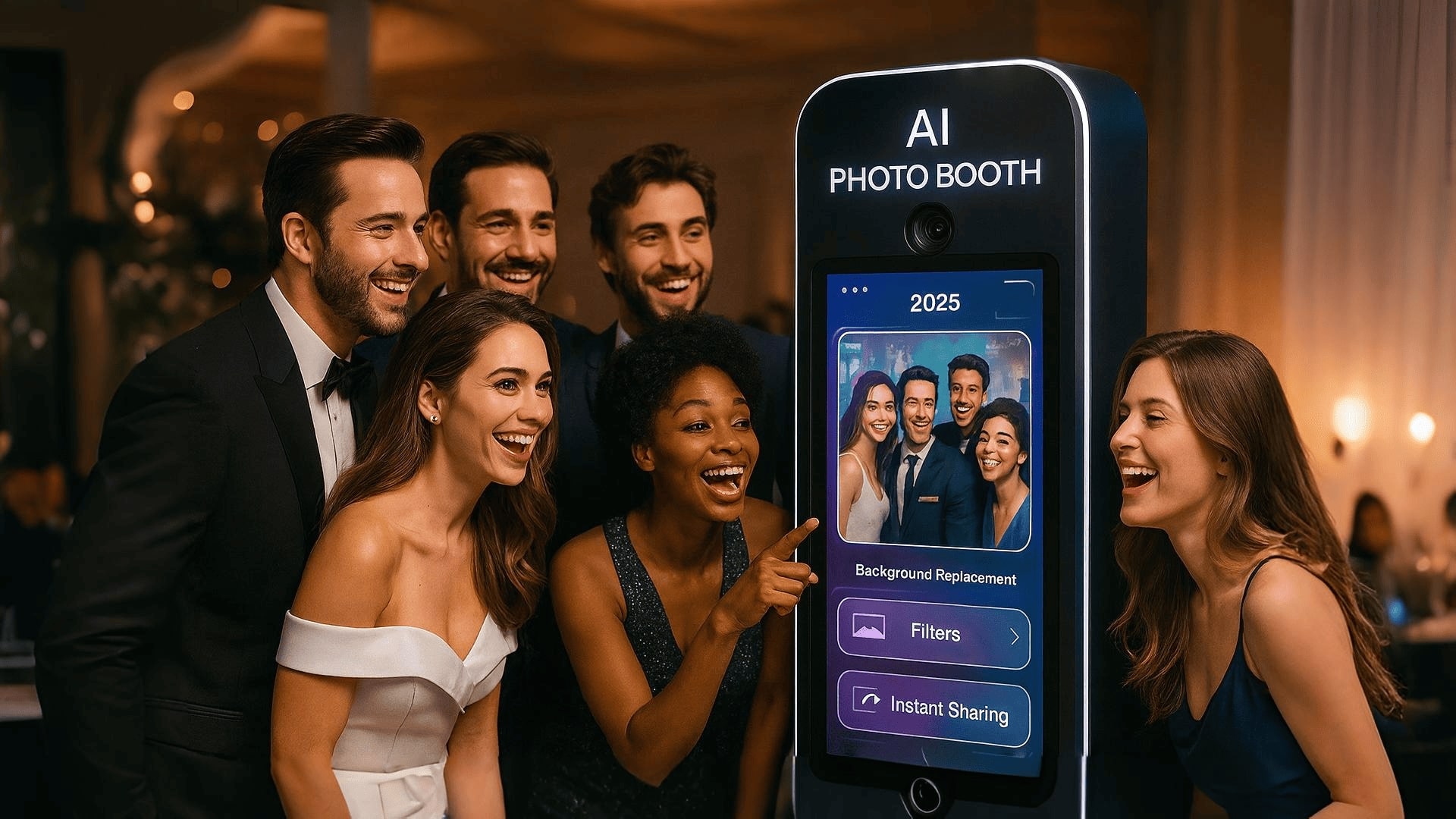
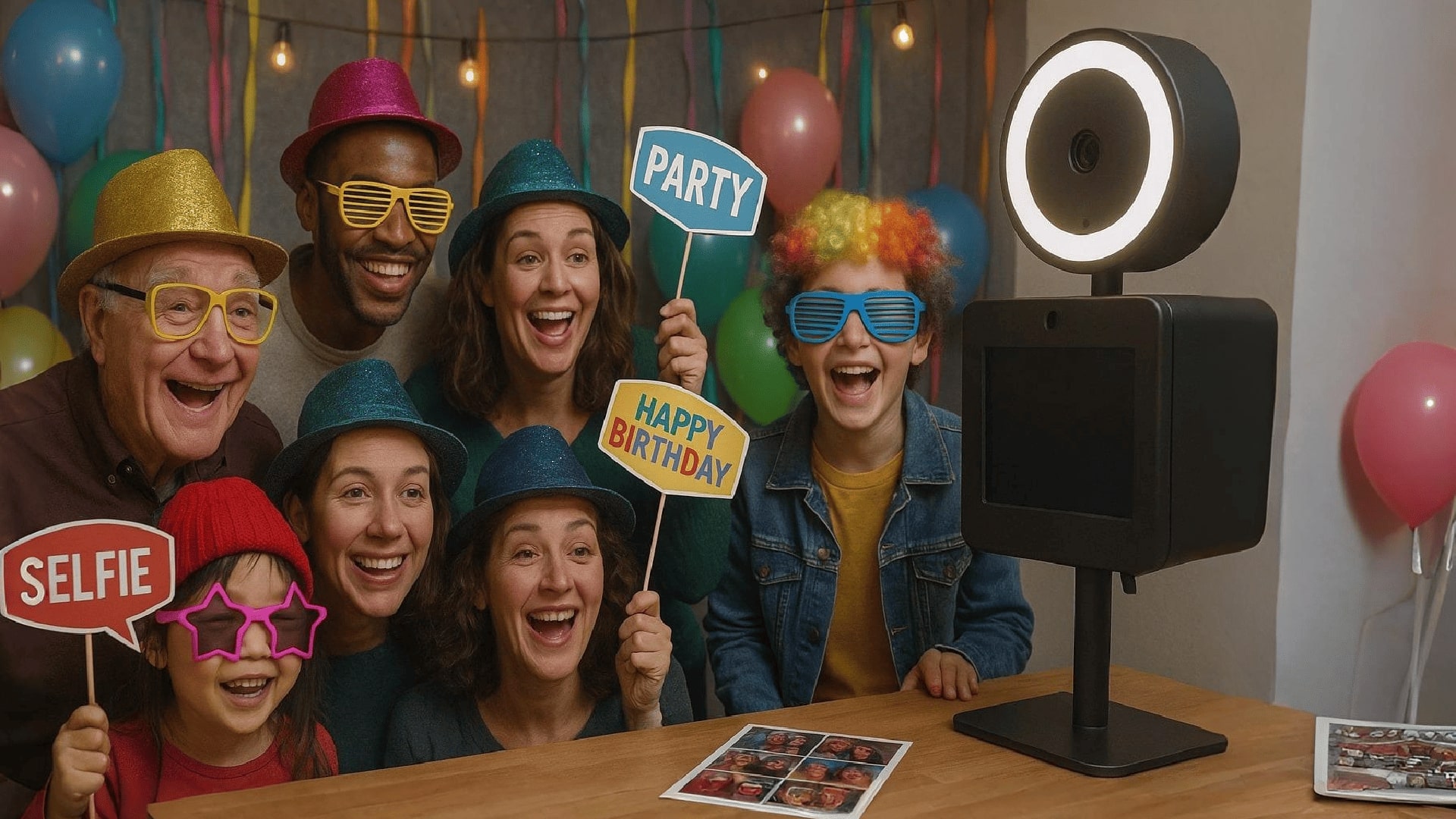
Instead of asking users to watch an ad, brands can invite them to interact with the brand or play with it. This is where experiential marketing technology is transforming modern campaigns. Rather than passive ad consumption, brands can create interactive games, Augmented Reality experiences, AI-powered activations, and immersive digital brand interactions that people actively choose to engage with.
Why experiential marketing performs better
- 🎯 91% of consumers say they feel more positively about a brand after participating in a brand experience, and 85% are more likely to purchase after engaging with experiential marketing campaigns.
- 🎯 70% of consumers become repeat customers after experiencing a brand directly — and social media engagement increases by 34% for brands running experiential campaigns.
- 🎯 Global experiential marketing spending reached $128.35 billion in 2024 — surpassing pre-pandemic levels for the first time.
- 🎯 When users actively participate, engagement increases dramatically. Experiential campaigns have been shown to increase brand engagement and purchase intent significantly compared to traditional advertising formats.
When users actively participate, brand engagement and purchase intent can increase significantly versus traditional advertising formats. People do not just see the brand. They experience it.
The Cricket Moment: Turning Fans Into Players
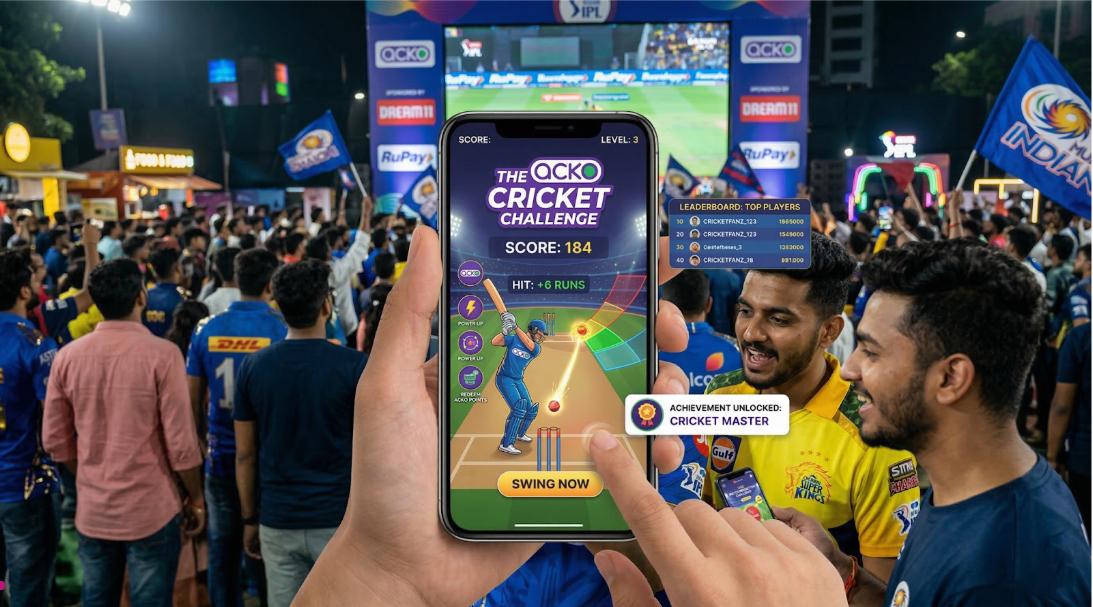
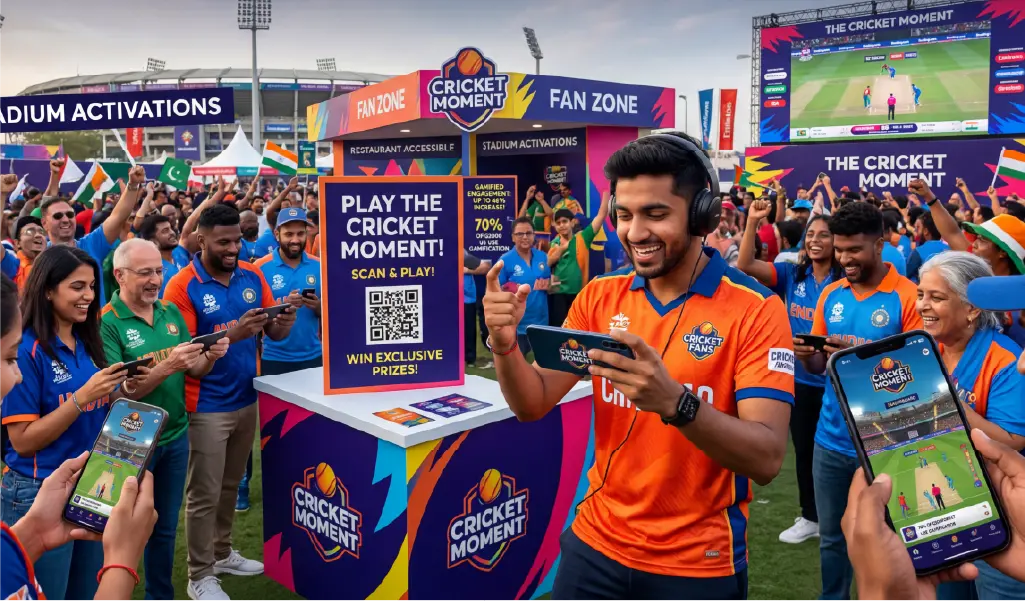
During a major cricket season, we explored a simple question: what if fans could play cricket with the brand instead of just watching ads about it? That idea evolved into a custom digital cricket experience designed for fans across multiple touchpoints. Users could play a cricket game directly on their phones, engaging with the brand in a fun and competitive way. But the real magic lies in distribution and scale. The experience wasn't limited to one platform — it was designed to reach audiences across multiple environments:
- 🎯 Restaurants and fan zones.
- 🎯 Stadium activations
- 🎯 Social media campaigns
- 🎯 Influencer promotions
- 🎯 Direct mobile access via QR codes
Gamified experiences can increase customer engagement by up to 48%, and more than 70% of Global 2000 companies now use gamification in marketing in some form.
From Passive Viewers to Active Participants
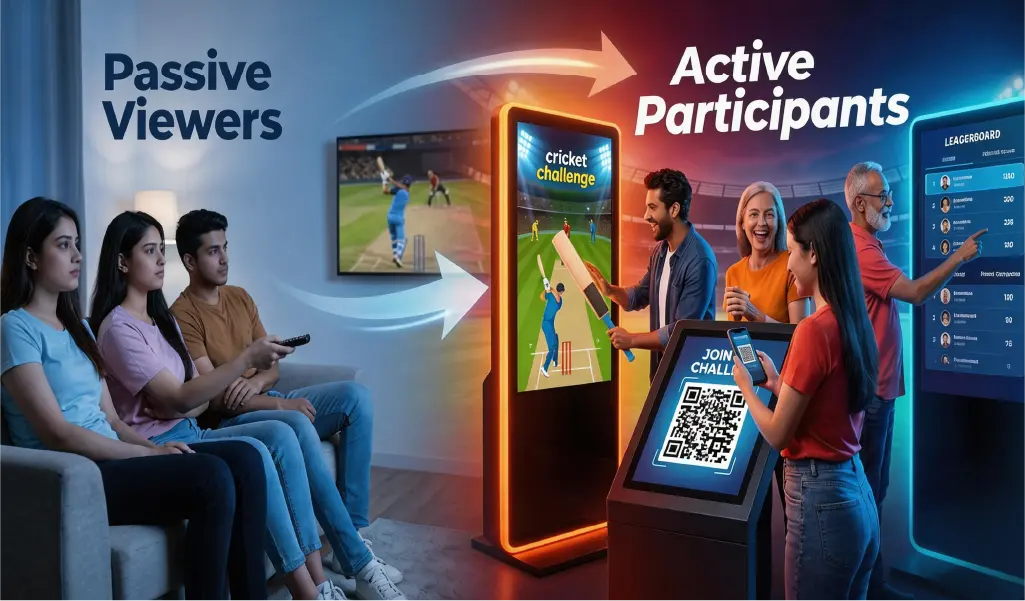
The key difference between traditional advertising and experiential marketing lies in audience engagement. While traditional ads often create passive viewers, experiential marketing encourages active participation through interactive brand experiences. This shift helps brands capture attention, increase engagement, and build stronger connections with their audience. They share. Players compete with friends. They post their scores. They challenge others.
- 🎯 User-generated content generates 6.9× higher engagement than brand-generated content on social media. Gamifying a digital experience alone boosts social sharing by 22% and content discovery by 68%.
- Source:LXA Hub
- 🎯 AR product experiences are 200% more engaging than their non-AR equivalents. Over 90% of Gen Z consumers are interested in AR shopping and brand interactions.
Early engagement metrics recorded:
- 🎯 30,000+ gameplay sessions within the first phase of the campaign.
- 🎯 High repeat participation from cricket fans competing on leaderboards.
- 🎯 Strong engagement through QR-based mobile access.
Why This Matters for IPL 2026
Cricket seasons like the Indian Premier League (IPL) create some of the largest digital attention windows in India.
- 🎯 IPL 2025 reached more than 1 billion viewers across television and digital platforms, making it one of the most watched sporting events in the world.
- Source:Economic Times
- 🎯 The tournament generated over 840 billion minutes of watch time, highlighting the massive scale of fan engagement.
- 🎯 The IPL 2025 final alone attracted 169 million television viewers, becoming the most-watched T20 match in history.
- 🎯 Digital engagement was equally massive, with 892 million video views and a peak concurrency of 55 million viewers during the final.
- 🎯 IPL 2026 (the 19th edition, branded TATA IPL 2026) runs 84 matches from 28 March to 31 May — the most matches ever in a single IPL season. JioHotstar, the official digital broadcaster, reaches over 750 million users across India.
- 🎯 IPL 2025 drew over 425 brands — including 270 first-time advertisers across 40+ categories — to the JioStar platform. Ad volumes grew 12% year-on-year, and BARC projects 650–675 million unique TV + digital viewers for IPL 2026.
Campaign reach during IPL activations:
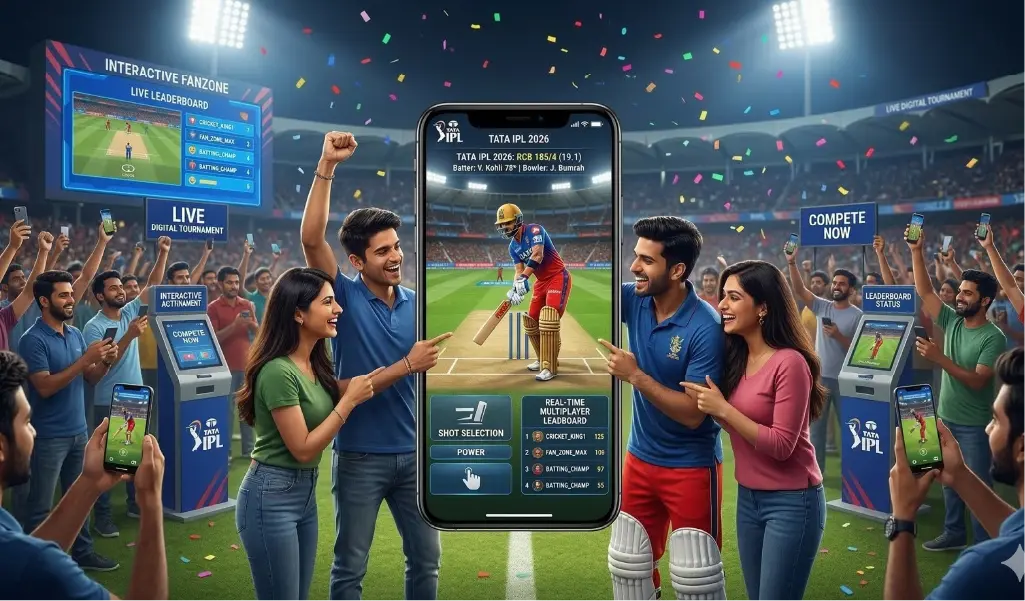
- 🎯 1,00,000+ active fan participations during the campaign.
- 🎯 Thousands of score shares and friend challenges across social platforms.
- 🎯 Strong organic reach driven by competitive gameplay.
Suddenly marketing becomes participation. And participation drives massive organic visibility and engagement.
The Future of Brand Engagement
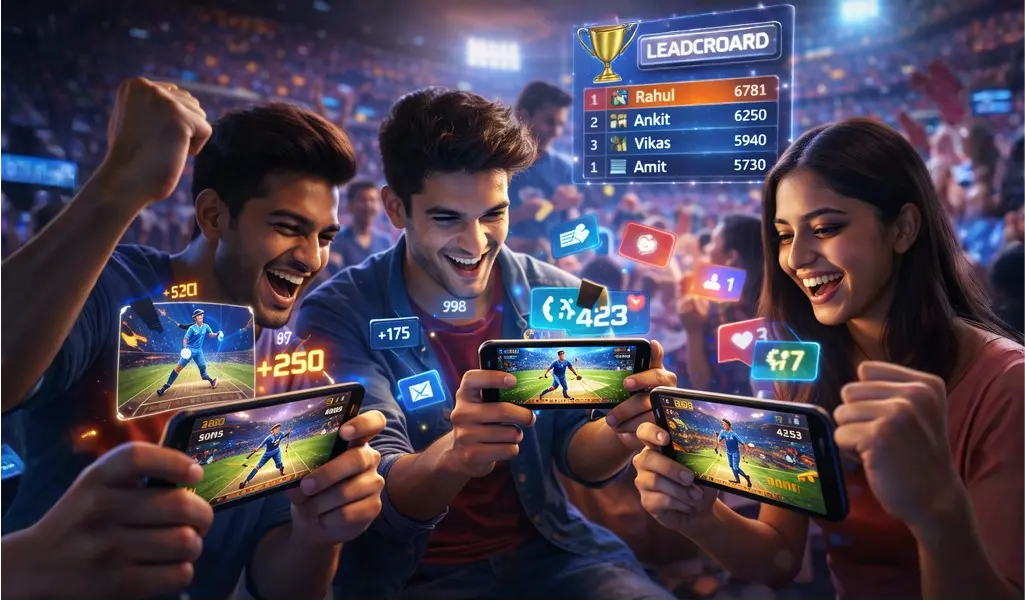
The next generation of marketing will not be about more ads. It will be about better experiences. Brands that build interactive digital experiences will be able to - Capture deeper attention, Build emotional connection, Generate massive organic reach, Turn users into brand advocates
- 🎯 59% of marketers believe experiential marketing outperforms traditional advertising in ROI. The average ROI for experiential events is in the 25–34% range, with 48% of brands seeing returns of 3:1 to 5:1.
- 🎯 Users retain only 10% of what they read and 20% of what they hear — but retain up to 90% of what they experience in an interactive, gamified format.
Most importantly, experience-led campaigns turn passive viewers into active fans, which is where sustained attention and recall actually come from.
IPL 2026 Will Be One of the Biggest Attention Moments in India
The question for brands is simple: Will you run ads… or create an experience? At Techkilla, we help brands build interactive digital experiences that audiences actually want to engage with. Activation performance metrics:
- 🎯 1,00,000+ fan interactions across digital and on-ground touchpoints.
- 🎯 High engagement through QR activations, social sharing, and leaderboard challenges.
- 🎯 Strong brand visibility during peak IPL viewing moments.
If you're exploring experiential campaigns for IPL 2026, let's talk.






Make Your Event Unforgettable with Techkilla!
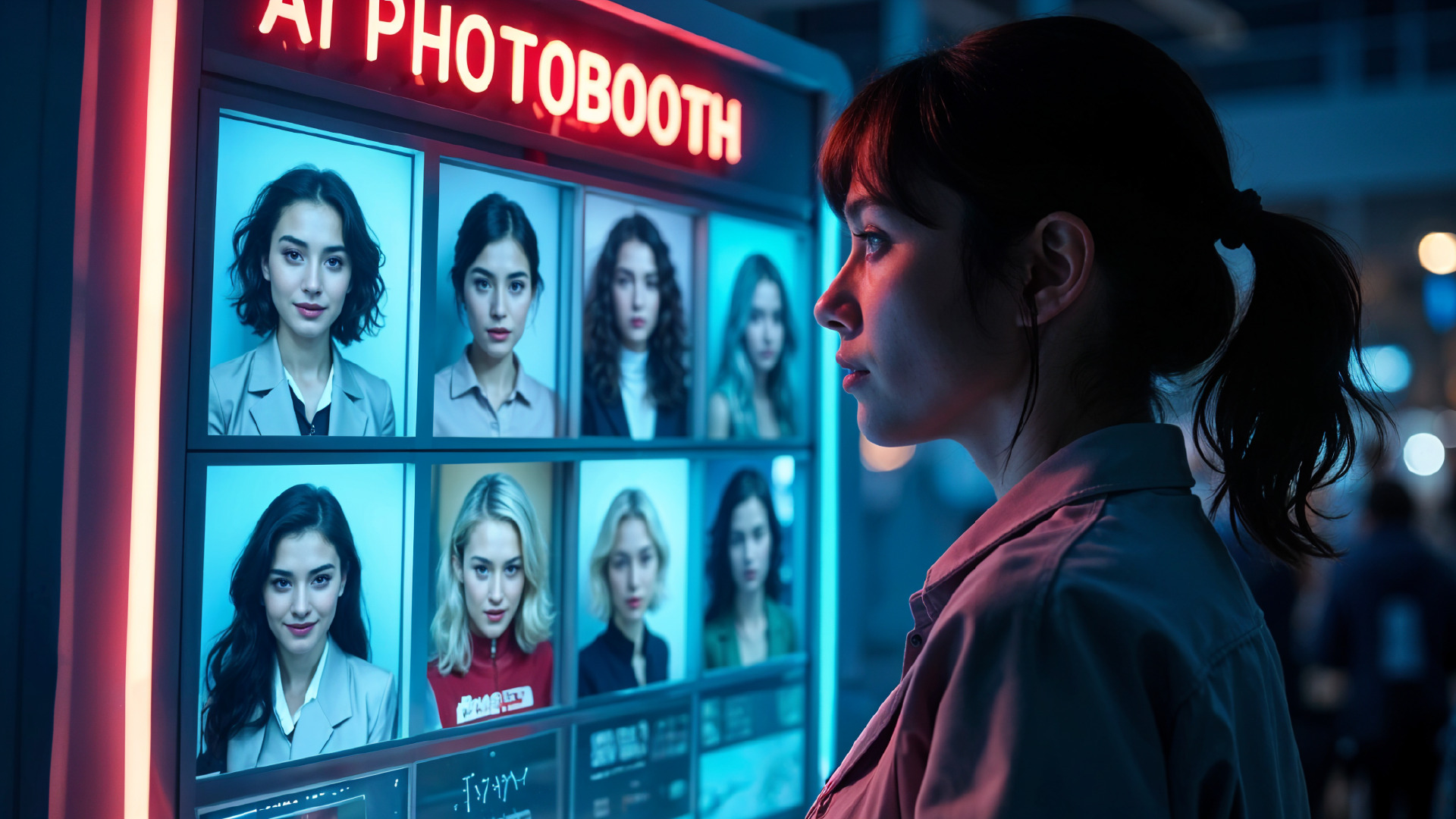
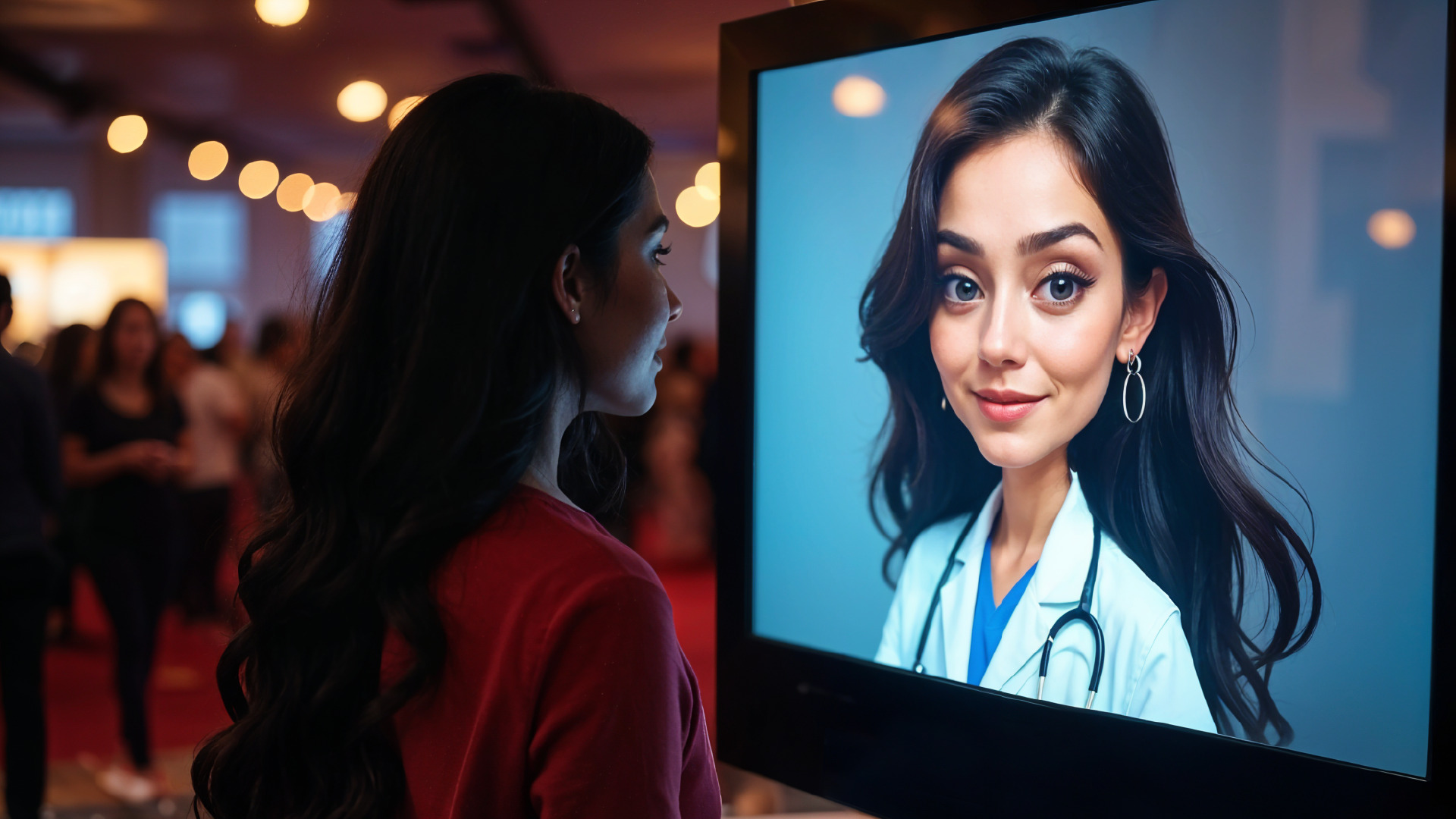
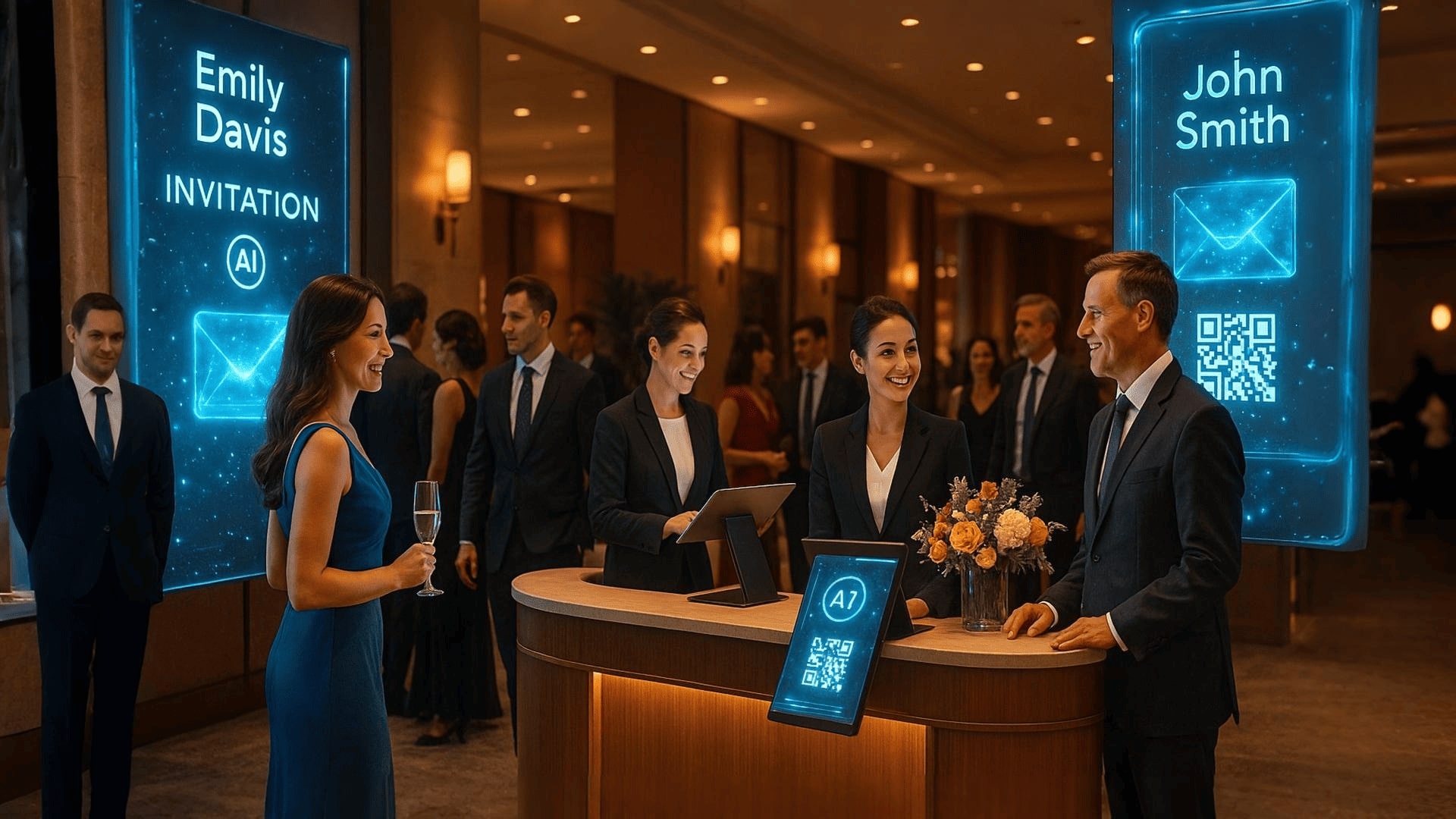
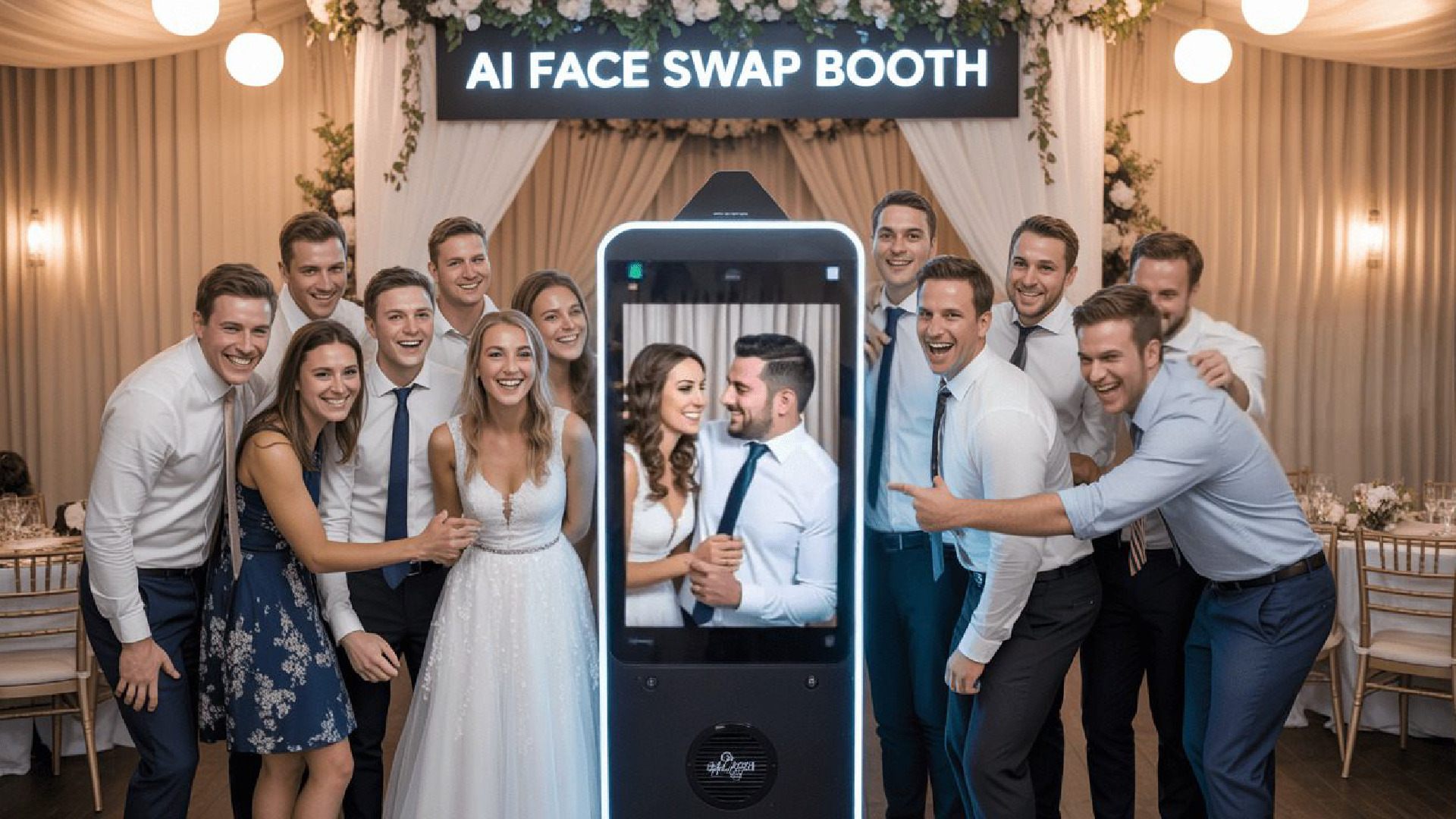
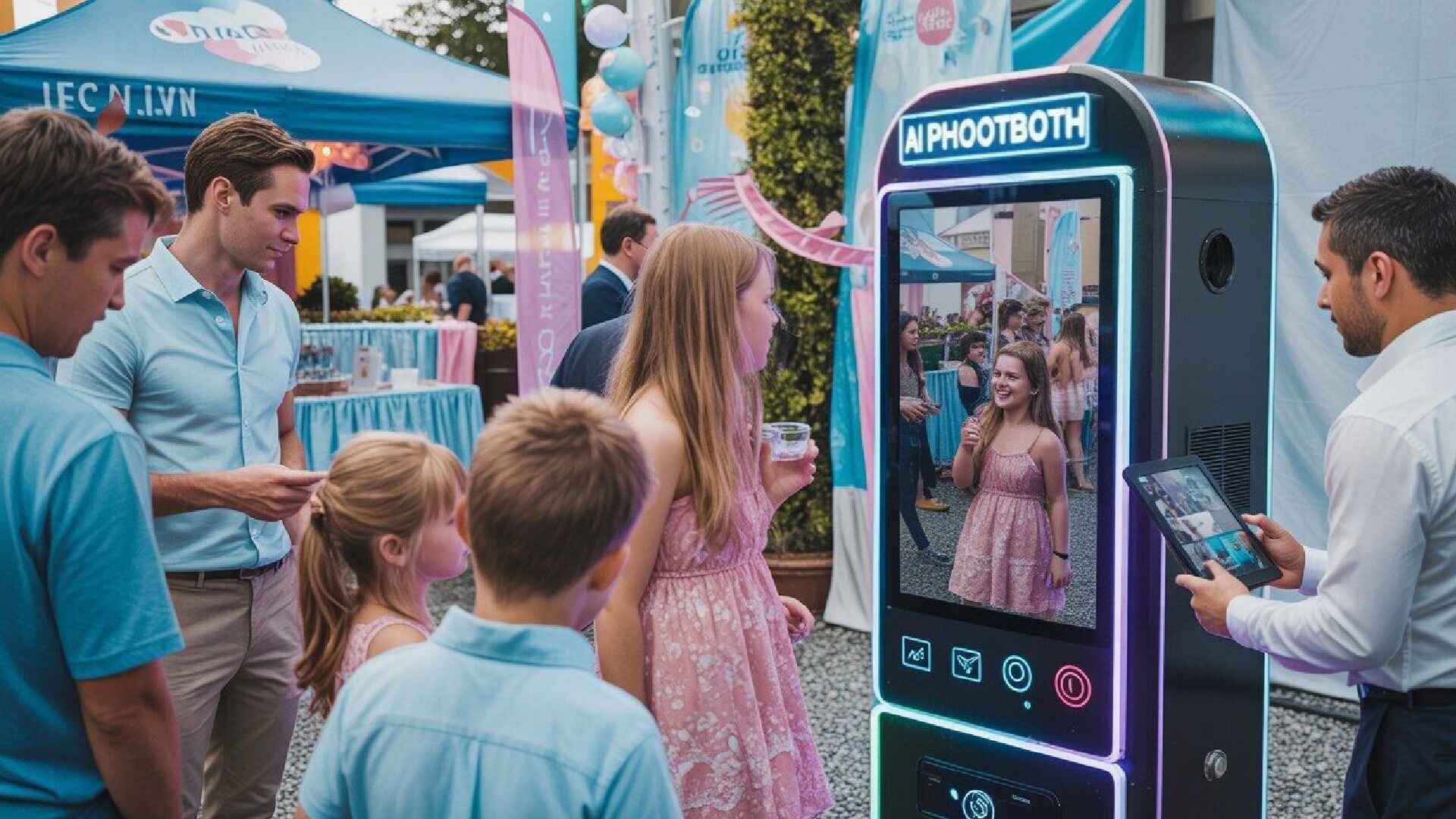
Want to wow your guests with AI-driven experiences? Contact Techkilla today and book your AI-powered photobooth!
📩 Get in touch: contact@techkilla.com or WhatsApp
📅 Book a Demo: Click here
Related Blogs